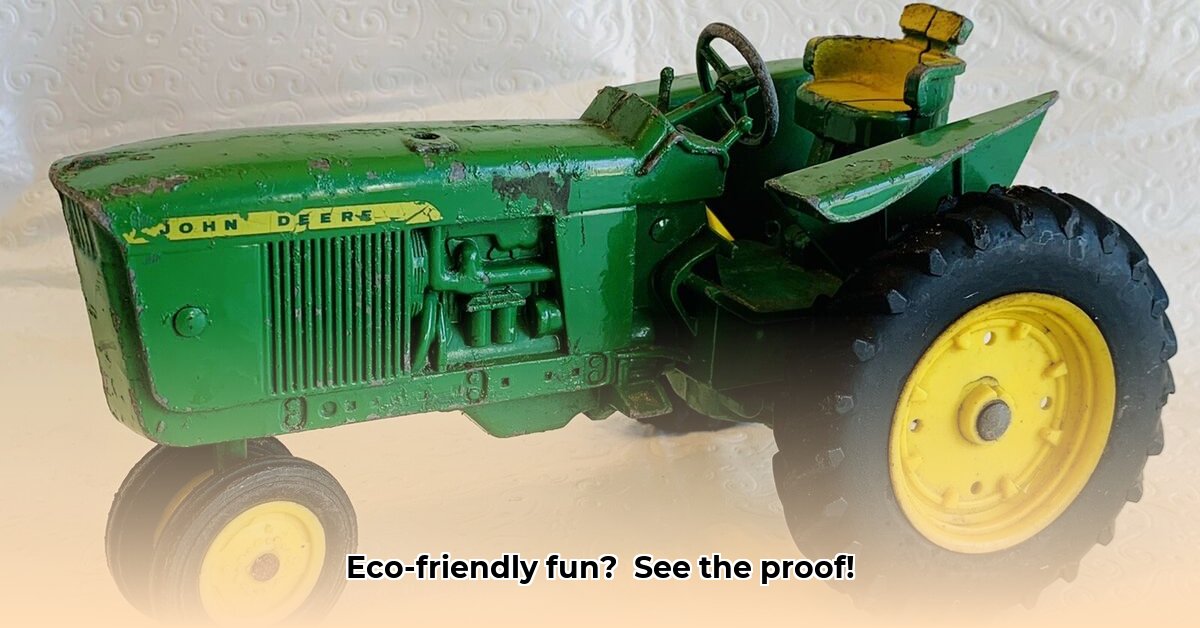
John Deere Toys Tractors: Sustainable Play, Today and Tomorrow
The world of toy tractors is typically synonymous with fun, but are we considering the environmental impact of these beloved playthings? Growing consumer awareness is pushing industries, including the toy sector, to adopt more sustainable practices. This article examines the environmental footprint of John Deere toy tractors—from material sourcing to end-of-life disposal—and proposes actionable steps for both the company and consumers to promote environmentally responsible play.
How can we ensure that children's playtime doesn't contribute negatively to our planet's health? The answer lies in a collective shift towards sustainable manufacturing and consumption. For more information on John Deere toys, visit John Deere Toys.
The State of Eco-Friendly Toys: A Growing Movement
The toy industry, historically reliant on plastics and energy-intensive manufacturing, is undergoing a transformation. Driven by increasing consumer demand for sustainability, many companies are actively seeking eco-friendly alternatives. This includes exploring recycled materials, reducing packaging waste, and optimizing supply chains. While significant challenges remain, the movement towards sustainable toys is gaining considerable momentum. But how can this progress be applied to iconic brands like John Deere?
A Look at John Deere Toy Tractors and the Environment: A Hypothetical Analysis
Precise data on the environmental impact of John Deere toy tractors is not publicly available. However, based on common manufacturing practices within the toy industry, we can hypothesize potential environmental impacts. This analysis will consider material sourcing, manufacturing processes, packaging, and transportation. This hypothetical SWOT analysis provides a framework for understanding potential strengths, weaknesses, opportunities, and threats:
| SWOT Analysis: Hypothetical Sustainability of John Deere Toy Tractors | |---|---| | Strengths: Strong brand recognition and a loyal customer base that may be receptive to sustainable products; existing manufacturing and distribution infrastructure. | Weaknesses: Lack of publicly available data on sustainability efforts; potential reliance on non-renewable resources and excessive packaging. | Opportunities: Become a leader in sustainable toy manufacturing by adopting eco-friendly materials and packaging; improve supply chain efficiency and transparency. | Threats: Growing consumer demand for sustainable toys leads to increased competition; potential for negative publicity and brand damage if sustainability efforts lag. |
Green Steps for John Deere: Making a Real Difference
John Deere can significantly reduce the environmental impact of its toy tractors by implementing the following actionable steps:
Conduct a Life Cycle Assessment (LCA): A comprehensive LCA will map the environmental impact of each stage of the toy tractor's life cycle, from raw material extraction to disposal. This detailed analysis will pinpoint areas needing improvement.
Sustainable Material Sourcing: Explore the use of recycled plastics, sustainably sourced wood, or innovative bioplastics. Reducing reliance on virgin materials is crucial.
Optimize Packaging: Minimize packaging materials and utilize recyclable or compostable alternatives, reducing waste sent to landfills.
Enhance Transparency: Publicly report sustainability initiatives, fostering trust and accountability with consumers.
Renewable Energy Transition: Power manufacturing facilities with renewable energy sources, reducing carbon emissions.
Implement Closed-Loop Recycling: Develop programs to collect and recycle used toy tractors, preventing waste and recovering valuable materials.
Your Role: Conscious Consumer Choices
Consumers wield significant power in driving the adoption of sustainable practices within the toy industry. Consider these steps when purchasing John Deere toy tractors:
Seek Eco-Certifications: Look for certifications from reputable organizations verifying the product's commitment to environmental standards.
Prioritize Durability: Choose durable, long-lasting toys to minimize the need for replacements.
Explore Secondhand Options: Consider purchasing pre-owned toys to extend the lifespan of existing products and reduce the demand for new production.
Support Sustainable Brands: Patronize companies actively committed to environmental responsibility and transparency.
The Future of Play: A Sustainable Vision
Creating a sustainable toy industry isn't merely a trend; it's a necessity for a healthier planet. John Deere and other toy manufacturers have a crucial role to play. By embracing sustainable practices, from material selection to end-of-life management, we can ensure that children's playtime doesn't compromise the environment. The future of play can and should be green.
How to Reduce Environmental Impact of Toy Manufacturing
The environmental cost of toy manufacturing is a growing concern, prompting the need for sustainable solutions across the industry. This section focuses on actionable strategies for reducing the environmental impact of toy production, using John Deere toy tractors as a case study.
The Green Tractor Challenge: A Hypothetical Look at John Deere Toys
To assess the environmental impact of John Deere toy tractors, we must consider the entire life cycle, including material sourcing, manufacturing, packaging, distribution, and end-of-life management. While specific data for John Deere is unavailable, a hypothetical analysis, based on typical toy manufacturing practices, reveals significant opportunities for improvement.
Hypothetical SWOT Analysis of John Deere Toy Manufacturing and Sustainability (This section mirrors the SWOT analysis above, and could be omitted for brevity, referring the reader to the previous analysis).
Sustainable Steps for John Deere (and Other Toy Makers!)
To reduce the environmental impact of toy manufacturing, companies can implement these strategies:
Lifecycle Assessments: Conduct thorough LCAs to identify environmental "hotspots" within the production process, enabling targeted improvements.
Sustainable Material Selection: Transition to plant-based plastics, recycled materials, or sustainably sourced wood, minimizing reliance on petroleum-based plastics.
Packaging Optimization: Minimize packaging volume and utilize recyclable or compostable alternatives.
Efficient Distribution: Optimize shipping and transportation methods to reduce fuel consumption and emissions.
Transparency and Communication: Publicly disclose sustainability efforts and progress to build consumer trust and accountability.
What You Can Do: Sustainable Toy Choices
Consumers play a critical role in driving sustainable toy manufacturing. Make conscious choices:
- Invest in Durable Toys: Choose well-made, long-lasting toys to minimize replacements and waste.
- Prioritize Recycled Materials: Look for toys made from recycled or sustainably sourced materials.
- Embrace Secondhand Toys: Give pre-loved toys a second life, reducing the need for new production.
- Responsible Disposal: Properly recycle or dispose of toys at the end of their life cycle.
Key Takeaways
The toy industry needs to adopt sustainable practices. Companies must conduct LCAs, transition to sustainable materials, and minimize packaging. Consumers can contribute by choosing durable, recycled toys and supporting environmentally responsible brands.